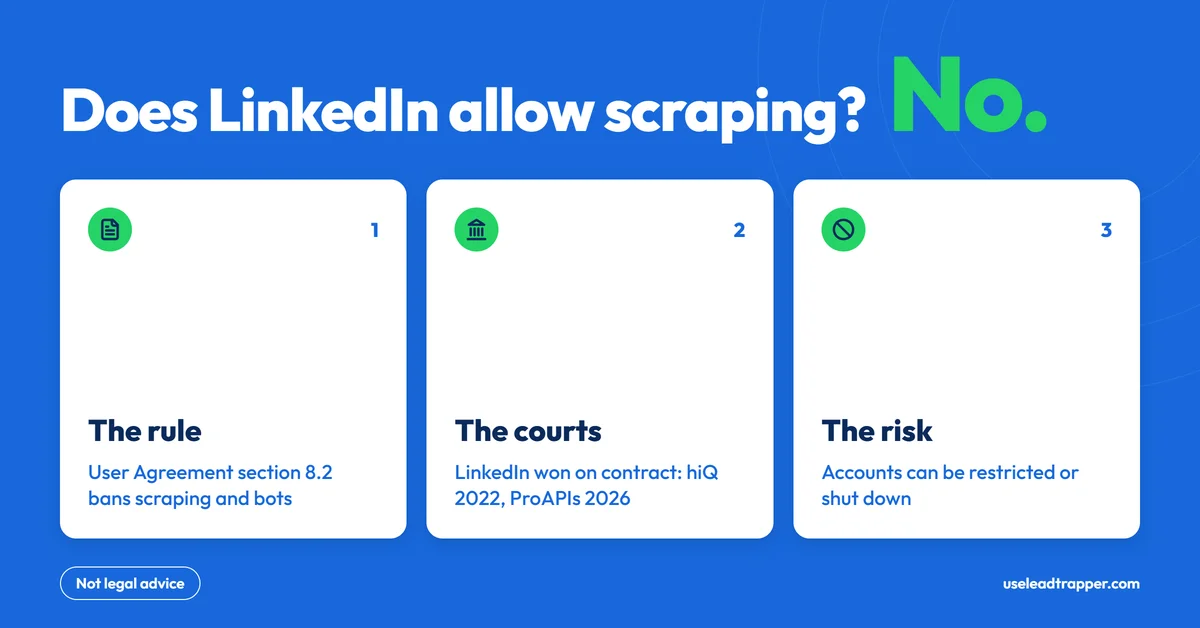
- No. LinkedIn's User Agreement bans using scripts, robots, crawlers, browser plugins or any other tool to scrape or copy profiles and other data from its services.
- LinkedIn enforces that as a contract. It beat hiQ Labs on contract grounds in 2022, and a consent judgment against ProAPIs was finalized on 21 September 2026.
- The 2022 hiQ appeals ruling means scraping public pages is unlikely to be a hacking-law offence in the US. It doesn't make LinkedIn's rules go away.
- LinkedIn says members who break the rules 'risk having their accounts restricted or shut down'.
- LeadTrapper's LinkedIn tools find profile links through search engines and read the name, headline and location a profile page shows. Connecting your LinkedIn session adds account risk. This isn't legal advice.
LinkedIn does not allow scraping. Its User Agreement bans using scripts, robots, crawlers or browser add-ons to scrape or copy profiles, and it has enforced that in court. This guide sets out what the rules say, what the cases decided, what can happen to your account, and exactly what LeadTrapper’s LinkedIn tools do, checked against the code that runs them. It isn’t legal advice.
The Short Answer
Two things are true at once, which is why the question keeps coming up. In the US, courts have held that collecting data from public web pages isn’t hacking under the main anti-hacking law. And LinkedIn’s own rules ban scraping outright, and LinkedIn has won cases by enforcing those rules as a contract. “It’s legal” and “LinkedIn allows it” are different claims. Only the first is arguable, and even that depends on your country and what you do with the data.
What LinkedIn's Rules Say
Section 8.2 of the LinkedIn User Agreement, the “Don’ts” list, says you agree not to:
- “Develop, support or use software, devices, scripts, robots or any other means or processes (such as crawlers, browser plugins and add-ons or any other technology) to scrape or copy the Services, including profiles and other data from the Services.”
- “Use bots or other unauthorized automated methods to access the Services, add or download contacts, send or redirect messages, create, comment on, like, share, or re-share posts, or otherwise drive inauthentic engagement.”
LinkedIn’s help page on prohibited software and extensions says: “We don’t permit the use of any third party software, including ‘crawlers’, bots, browser plug-ins, or browser extensions that scrape, modify the appearance of, or automate activity on LinkedIn’s website.” It adds that members who break the rules “risk having their accounts restricted or shut down”, and the User Agreement reserves the right to restrict, suspend or terminate accounts that breach it.
What Courts Have Said
The leading US case is hiQ Labs v. LinkedIn. In April 2022 the Ninth Circuit held that automated collection from public LinkedIn pages that need no account was unlikely to be access “without authorization” under the Computer Fraud and Abuse Act. That is the ruling people cite when they say scraping LinkedIn is legal.
It wasn’t the end. In November 2022 the district court held that LinkedIn’s ban on scraping was enforceable as a contract, and in December 2022 hiQ agreed to a permanent injunction, deletion of the scraped data and $500,000 in damages.
LinkedIn has kept going. It sued ProAPIs, a company that sold scraped LinkedIn data through an API, alleging it used fake accounts at scale. A consent judgment finalized on 21 September 2026 permanently bars ProAPIs and its partner from reaching LinkedIn data through fake accounts, bots or other automated technology, and requires them to delete what they scraped. Cases like these are won on contract and fraud, not on hacking law, so the hiQ ruling doesn’t protect you from LinkedIn’s terms.
Scraping Without Logging In
Some profile information is visible to visitors who aren’t signed in, and the hiQ ruling concerned public pages. That lowers the hacking-law risk. It doesn’t remove LinkedIn’s other tools. LinkedIn often shows automated visitors a sign-in wall instead of the profile, its terms bind anyone who has a member account, and it has shown it will litigate. In practice, the more a tool depends on a signed-in account, the higher the risk to that account.
What LeadTrapper's LinkedIn Tools Do
- Profile Search takes a keyword, an optional location and an optional job title, builds a search such as
site:linkedin.com/in real estate broker Dubai, and reads the results pages of DuckDuckGo, Bing and Yahoo for LinkedIn profile links. That step reads search engines, not LinkedIn. - Profile Scraper takes a list of profile links and loads each page, reading the name, headline and location it shows. Each row also gets a status, verified profile or partial, and a score from 0 to 100. If LinkedIn puts a sign-in wall in front of a page, the row keeps the link, guesses a name from it, and is marked partial.
- Connecting your LinkedIn session (optional). If you connect, the tools use your signed-in session to search LinkedIn directly and to load profiles as you would see them. This is the step that uses your account for automated activity, which is what LinkedIn’s rules prohibit.
- What it doesn’t collect. No followers or connections lists, no email addresses and no phone numbers. It’s a list of profile links with a name, headline and location. If LinkedIn shows a security check or sign-in wall to the browser-based search, that search pauses for 24 hours.
Because the tools automate activity on LinkedIn or fetch its pages, LeadTrapper can’t tell you they’re permitted. They aren’t, under LinkedIn’s terms. If you use them, you accept that risk, and the sensible way to accept it is with a LinkedIn account you can afford to lose, small runs, and no connected session unless you need one. Automated, machine-speed loading is exactly the pattern LinkedIn’s systems look for.
Your Options Compared
| Approach | Allowed by LinkedIn? | Cost and limits |
|---|---|---|
| Searching and messaging by hand | Yes | Free within LinkedIn’s own limits; slow |
| Sales Navigator or Recruiter | Yes | Sales Navigator’s Core plan was listed at $119.99 a month when checked on 23 September 2026 |
| LinkedIn’s approved API programs | Yes | Application and approval required |
| LeadTrapper LinkedIn tools | No, under the User Agreement | $50/year, all features; profile links, name, headline and location only |
If your prospects are local businesses, you may not need LinkedIn at all. The Google Maps scraper reads business listings that carry phone numbers, and the rules around it are set out in is scraping Google Maps legal. Instagram has its own rules too, covered in the Instagram lead scraper guide.
Frequently Asked Questions
No. LinkedIn's User Agreement bans using software, scripts, robots or crawlers to scrape or copy profiles and other data, and its help centre says it doesn't permit third-party crawlers, bots or browser extensions that scrape or automate activity on the site.
It can. LinkedIn says members who break its rules 'risk having their accounts restricted or shut down', and its User Agreement lets it restrict, suspend or terminate accounts that breach the contract. Automated activity on a signed-in account is the clearest way to trigger that.
It's not that simple. A US appeals court held in 2022 that scraping public pages is unlikely to breach the Computer Fraud and Abuse Act, but LinkedIn then won on contract grounds against hiQ, and won a consent judgment against ProAPIs in 2026. Rules differ by country, and personal data is covered by privacy law. This isn't legal advice.
Some profile information is visible to logged-out visitors, and the hiQ ruling concerned public pages. But LinkedIn often shows automated visitors a sign-in wall, its terms bind members, and it has taken scrapers to court. Not being logged in lowers some risks and removes none of them.
No. LeadTrapper's LinkedIn tools find profile links and read the name, headline and location a profile page shows. They don't collect anyone's followers or connections list, and they don't return email addresses or phone numbers.
Yes. LinkedIn's own products, such as Sales Navigator and Recruiter, and its approved API programs are the permitted routes. They cost money and have their own limits, which is why people look at scrapers, but they don't put your account at risk.
Find Leads Where Scraping Is Allowed, or Go In With Open Eyes
LeadTrapper's Google Maps scraper, Instagram tools and WhatsApp sender all come with it. $50/year — all features included.
Related Articles
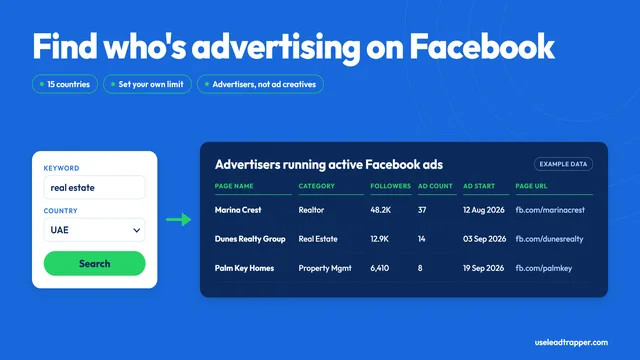
Facebook Ad Library Scraper: Find Advertisers by Keyword
LeadTrapper's Facebook Ad Library scraper lists businesses running active ads for a keyword and coun…
Read article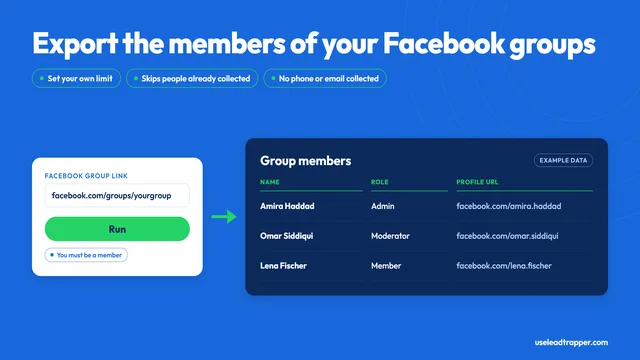
Facebook Group Members Scraper: What It Collects
LeadTrapper's Facebook group members scraper exports names, roles and profile links from a group you…
Read articleBrowse All Articles
Lead generation, WhatsApp marketing, Google Maps, Instagram, and Facebook scraping guides.
See all